

Understanding Load Control in Industrial Operations
What is Load Control?
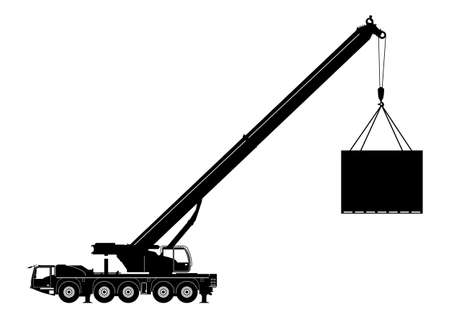
Load control is the engineered process of guiding, stabilizing, maneuvering, and positioning suspended or partially supported loads during lifting, transfer, and placement activities. While lifting equipment is designed to raise and support weight vertically, load controll governs how the load behaves once it is airborne.
Once lifted, a load is no longer a static object. It becomes a dynamic system, capable of swinging, rotating, drifting, or shifting unpredictably. Load control exists to manage this behavior so that movement remains intentional, predictable, and controlled, rather than reactive.
The objective of load control is to:
Maintain directional authority over suspended loads
Enable accurate positioning without direct hand contact
Keep personnel outside hazardous zones during all stages of the lift
HSF LOADGRAB LOAD CONTROL TOOLS
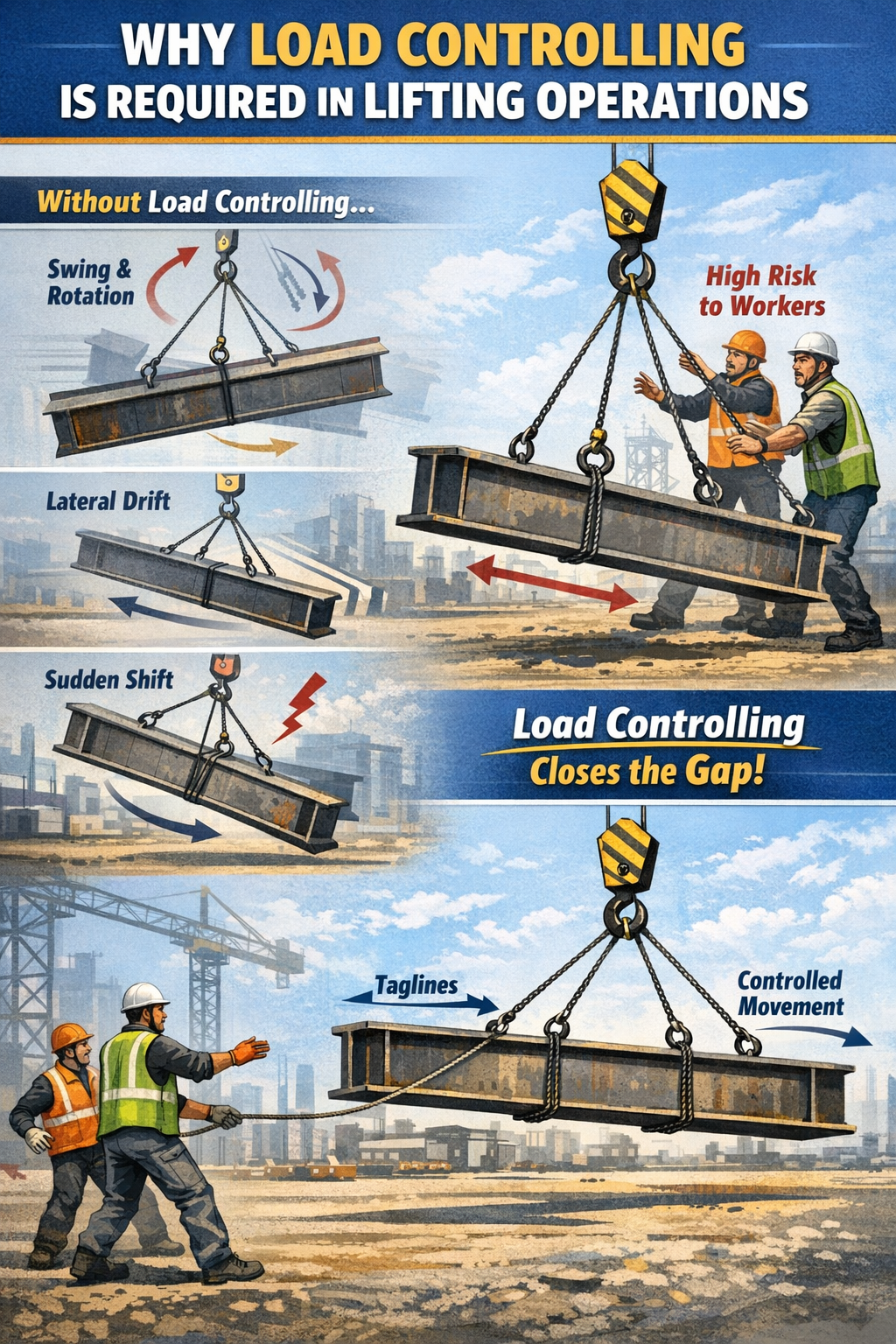
Why LoadControlling Is Required in lifting Operations
Lifting equipment is designed to raise and support weight, not to manage the complex motion that occurs once a load is airborne. As soon as a load is lifted clear of the ground, it becomes subject to forces that the lifting system alone does not regulate.
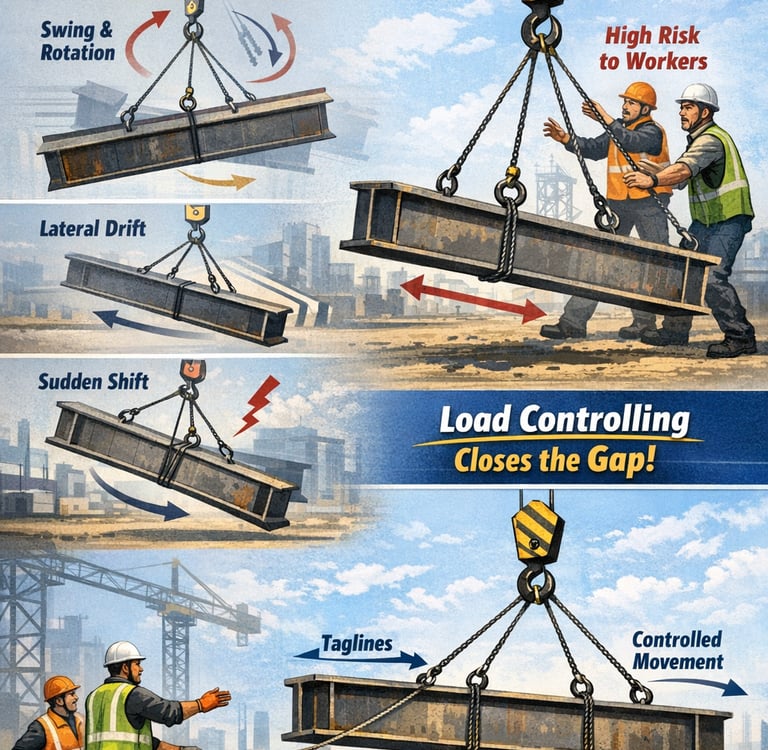
Without load controll, these forces act unchecked, resulting in swing, rotation, lateral drift, or sudden directional change. When this happens, operators and riggers are often forced to intervene manually, placing themselves at risk.
Load control is therefore required to close the gap between lifting capacity and load stability, ensuring that load movement remains controlled without exposing personnel to danger.
What Is a Suspended Load in the Context of Load Control?
A suspended load is any object that is fully or partially supported by lifting equipment, such as a crane, hoist, or mechanical lifting system, rather than resting on a solid surface.
Once suspended, the load is no longer stabilized by ground contact. Its position is maintained solely by rigging components and the lifting mechanism. At this point, even small external inputs—crane motion, wind, uneven weight distribution, or contact with nearby structures—can initiate movement.
From an HSE standpoint, a suspended load represents a high-energy hazard, as its mass and elevation store energy that can be released suddenly and unpredictably.
Why Suspended Loads Are Inherently Unstable Once Lifted
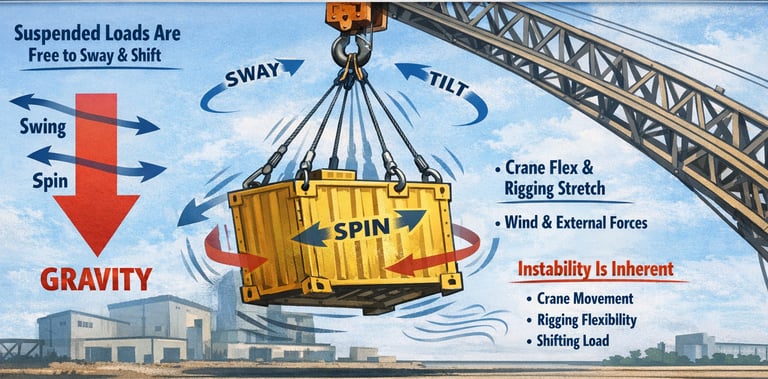
Suspended loads lack a fixed base and are free to move in multiple directions. Gravity acts continuously, while the load remains responsive to any force applied to the lifting system or the load itself.
This instability is inherent to suspension, not a result of operator error. Even under ideal operating conditions, the flexibility of rigging, crane dynamics, and environmental influences prevent true stability.
Because this instability cannot be eliminated by skill alone, it must be managed through engineered control methods.
Why Suspended Loads Behave as Dynamic Systems
From an engineering standpoint, suspended loads behave as dynamic systems, meaning their state changes continuously during motion.
Acceleration, deceleration, slewing, hoisting, and landing all introduce energy into the system. This energy causes the load to react through movement, rotation, or oscillation.
Unlike static loads, suspended loads cannot dissipate energy naturally. Without active control, energy accumulates and manifests as unpredictable motion, increasing risk with every movement phase.
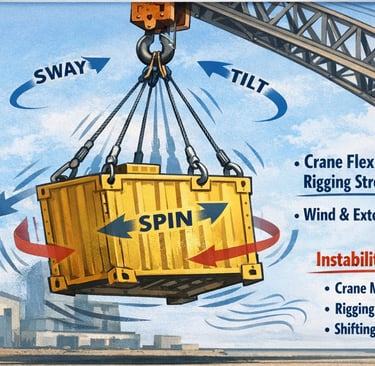
Dynamic Forces Acting on Suspended Loads
Several forces act simultaneously on suspended loads, including:
Pendulum forces created by crane acceleration or braking
Rotational torque due to offset centers of gravity or uneven rigging geometry
Inertial forces during load travel or slewing
Aerodynamic forces acting on exposed surfaces in open environments
Frictional release forces when loads disengage from landing surfaces
These forces interact dynamically. Once motion begins, the magnitude of these forces often exceeds human strength and reaction capability.
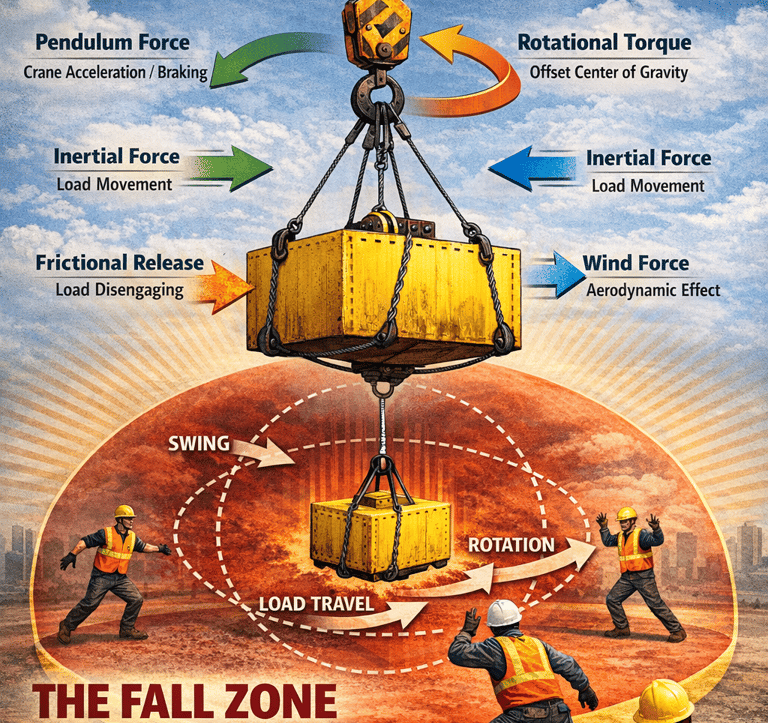
How Dynamic Load Behavior Creates the Fall Zone
Because suspended loads can move unpredictably, they generate a three-dimensional hazard envelope around them.
This envelope includes not only the area directly beneath the load but also the surrounding space where swing, rotation, or lateral movement may occur. The higher the lift and the heavier the load, the larger and more dangerous this zone becomes.
The fall zone exists whenever a load is suspended, regardless of whether visible movement is occurring.
The Concept of the Fall Zone in Load Control
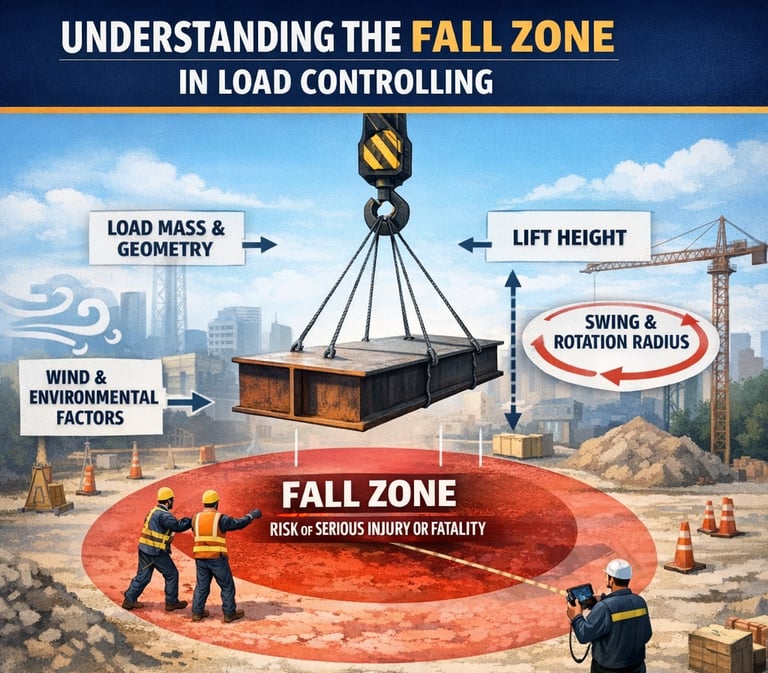
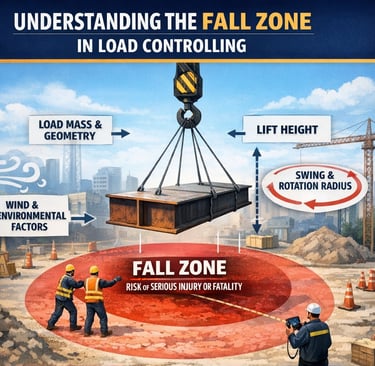
The fall zone is defined as the area beneath and around a suspended load where serious injury or fatality can occur if control is lost.
Its size is influenced by:
Load mass and geometry
Lift height
Potential swing radius and rotational behavior
Environmental factors such as wind
A core principle of load control is to maintain load control without allowing personnel to enter this zone at any stage of the operation.
Why Load Control Is Critical for Fall Zone Management
Traditional load-handling methods often rely on manual guidance near the load. While these methods may improve positioning accuracy, they do not reduce risk — they place workers inside the fall zone.
Engineered load control enables operators to maintain directional authority from outside the hazard envelope, allowing fall zones to remain enforced without compromising operational control.
This shifts risk away from people and into controlled mechanical systems.
Why Guiding, Positioning, and Maneuvering Are the Highest-Risk Phases
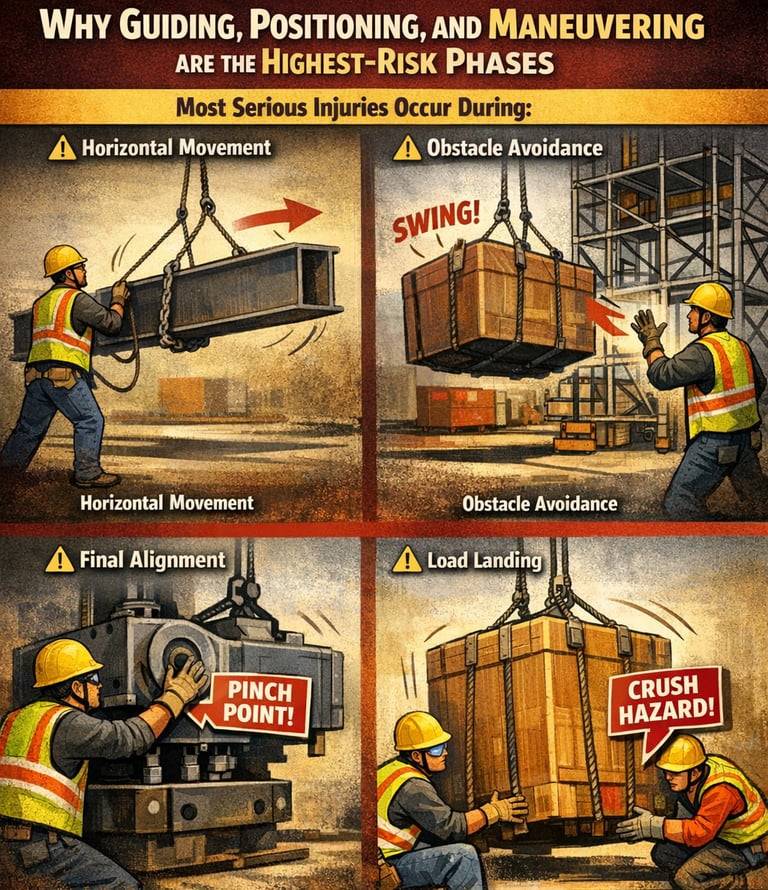
Incident data consistently shows that most serious injuries occur during:
Horizontal movement
Obstacle avoidance
Final alignment
Load landing
During these phases, suspended loads are most unstable and workers are most likely to approach the load to influence movement. This combination creates peak exposure to pinch, crush, and impact hazards.
Preventing Pinch, Crush, and Caught-Between Injuries Through Load Control
Pinch, crush, and caught-between injuries occur when workers operate too close to suspended loads.
Effective load control:
Keeps hands out of pinch points
Eliminates the need to stand between loads and structures
Maintains safe standoff distance at all times
Distance creates time, and time allows hazards to be managed safely.
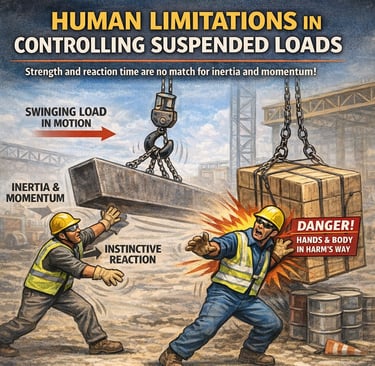
Human Limitations in Controlling Suspended Loads
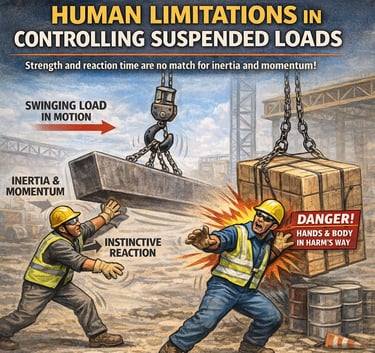
Human strength and reaction time are insufficient to counteract the forces generated by suspended loads. Once movement begins, inertia and momentum dominate the system.
Manual intervention relies on instinct rather than control and places hands and bodies directly in harm’s way. From an HSE perspective, this represents reliance on administrative controls and PPE, rather than elimination or engineering controls.

Failure Modes When Load Control Is Not Engineered
Without engineered control, predictable failure modes emerge, including:
Hands trapped between loads and fixed structures
Crush injuries during alignment
Sudden loss of balance from load movement
Rope entanglement and snap-back hazards
Delayed response due to excessive inertia
These failures are systemic, not procedural. They result from uncontrolled energy, not individual error.
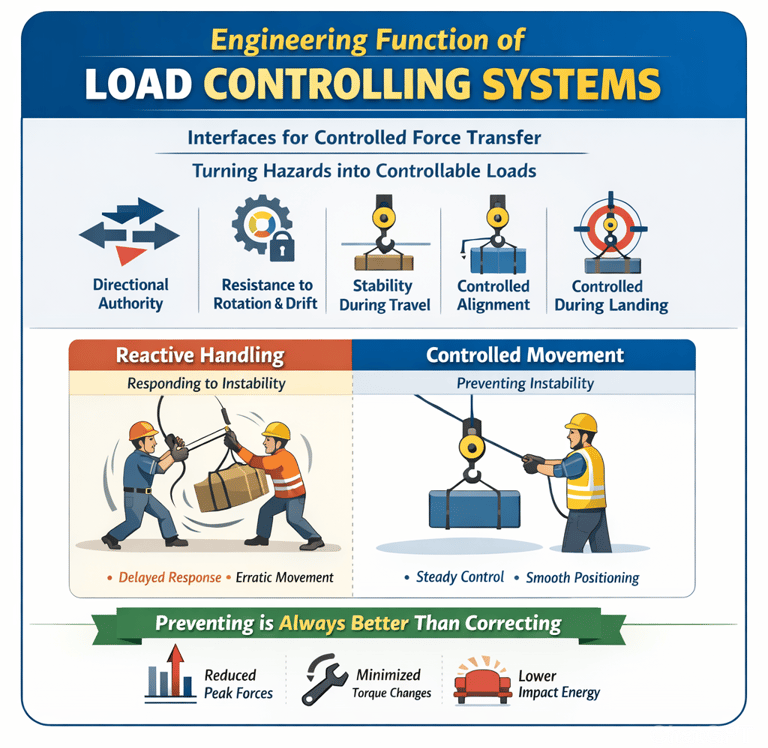
Engineering Function of Load Control Systems
Load control systems act as interfaces for controlled force transfer, allowing operators to influence load behavior without physical contact.
They provide:
Directional authority
Resistance to rotation and drift
Stability during travel
Controlled alignment during landing
By managing force application, these systems convert suspended loads from unpredictable hazards into controllable systems.
Controlled Movement Versus Reactive Handling
Reactive handling occurs after instability begins, requiring workers to respond under time pressure. Controlled movement prevents instability by maintaining continuous influence over load behavior.
Preventing motion reduces:
Peak force spikes
Sudden torque changes
Impact energy during contact
From an engineering safety standpoint, prevention is always superior to correction.
Integration of Load Control Into Lifting Plans and HSE Systems
For load control to be effective, it must be embedded into formal safety systems, including:
Lifting plans and method statements
Job Safety Analysis (JSA)
Permit to Work (PTW) processes
Critical lift procedures
This ensures load control measures are planned, repeatable, and auditable, rather than improvised.
HSF Load Grab™ Product Portfolio
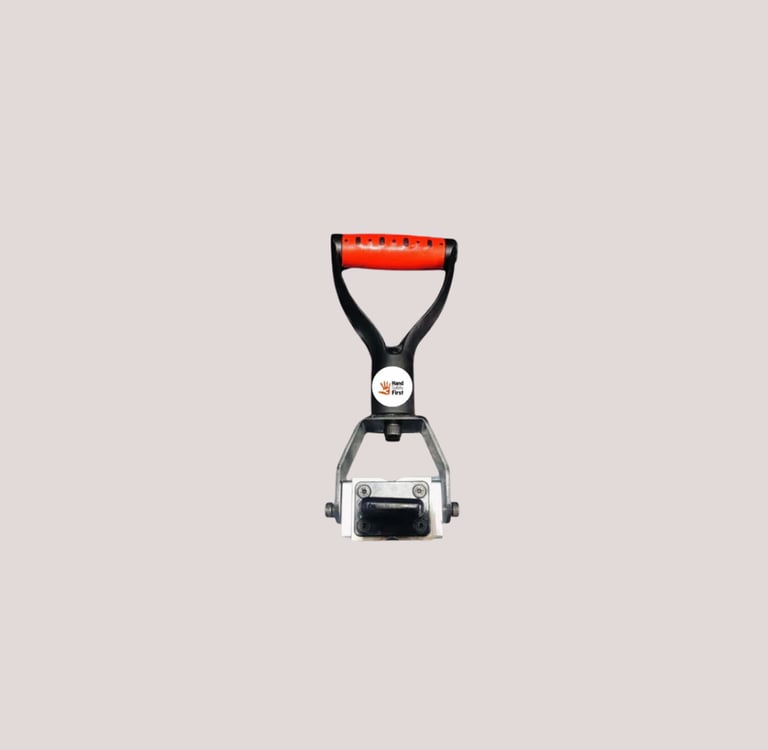
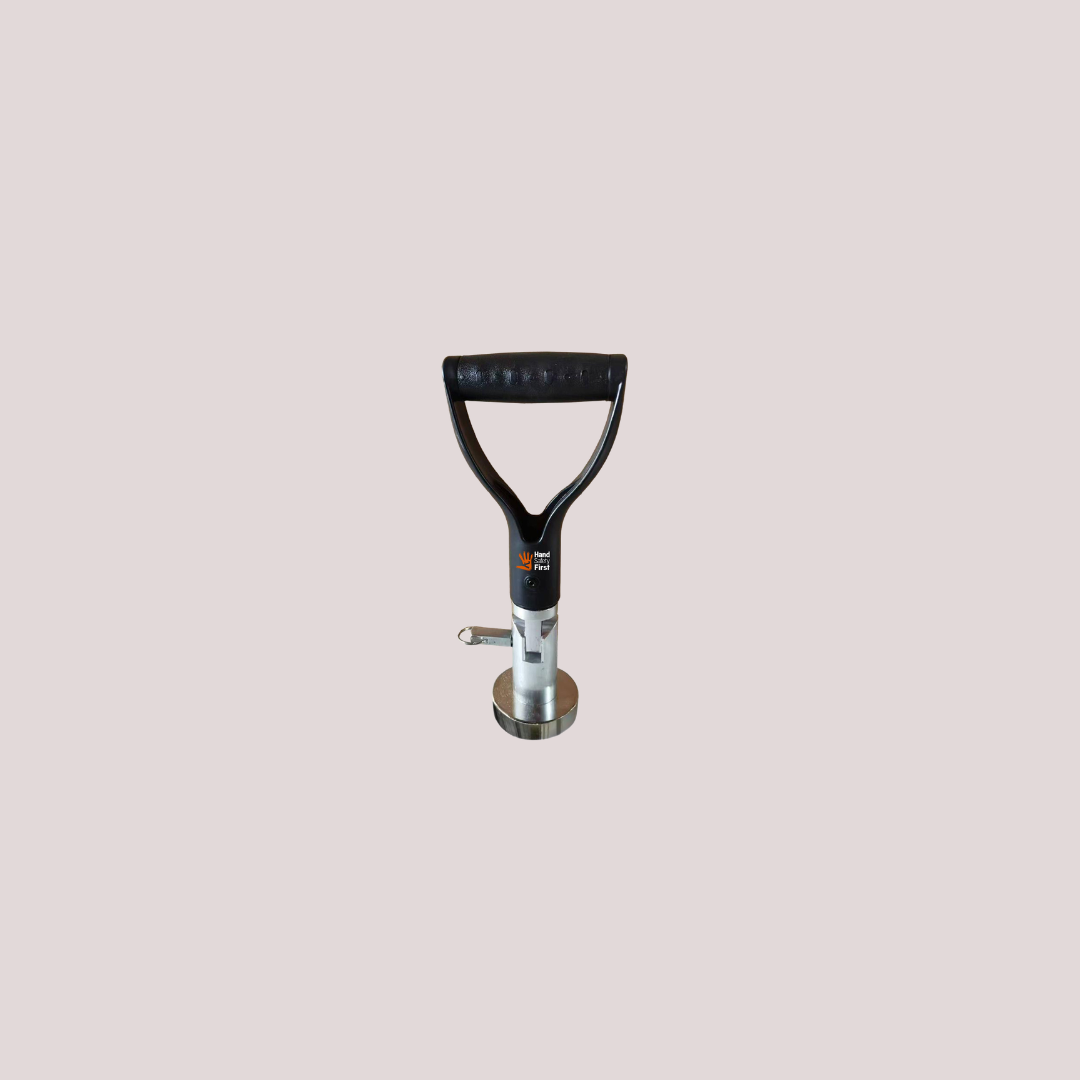
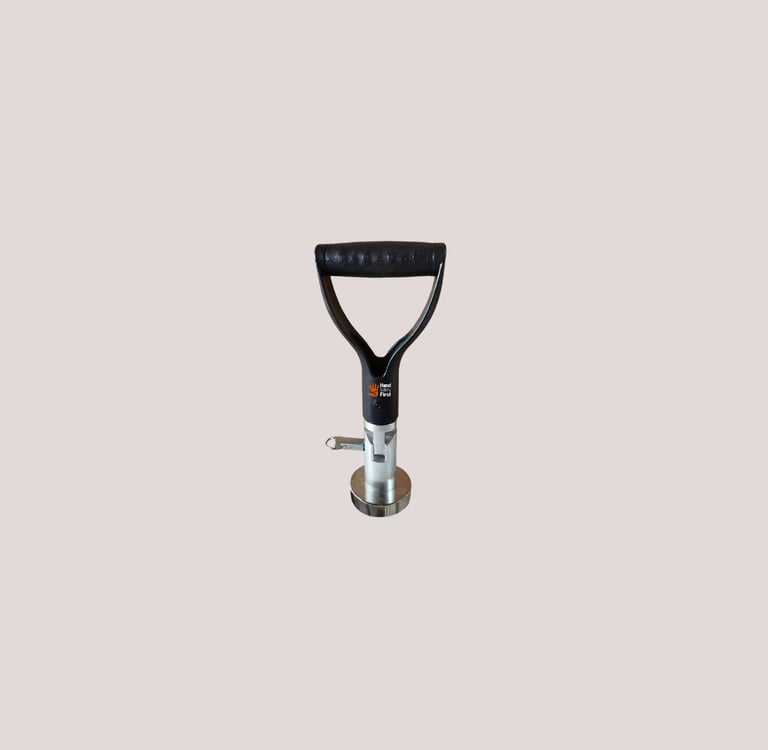
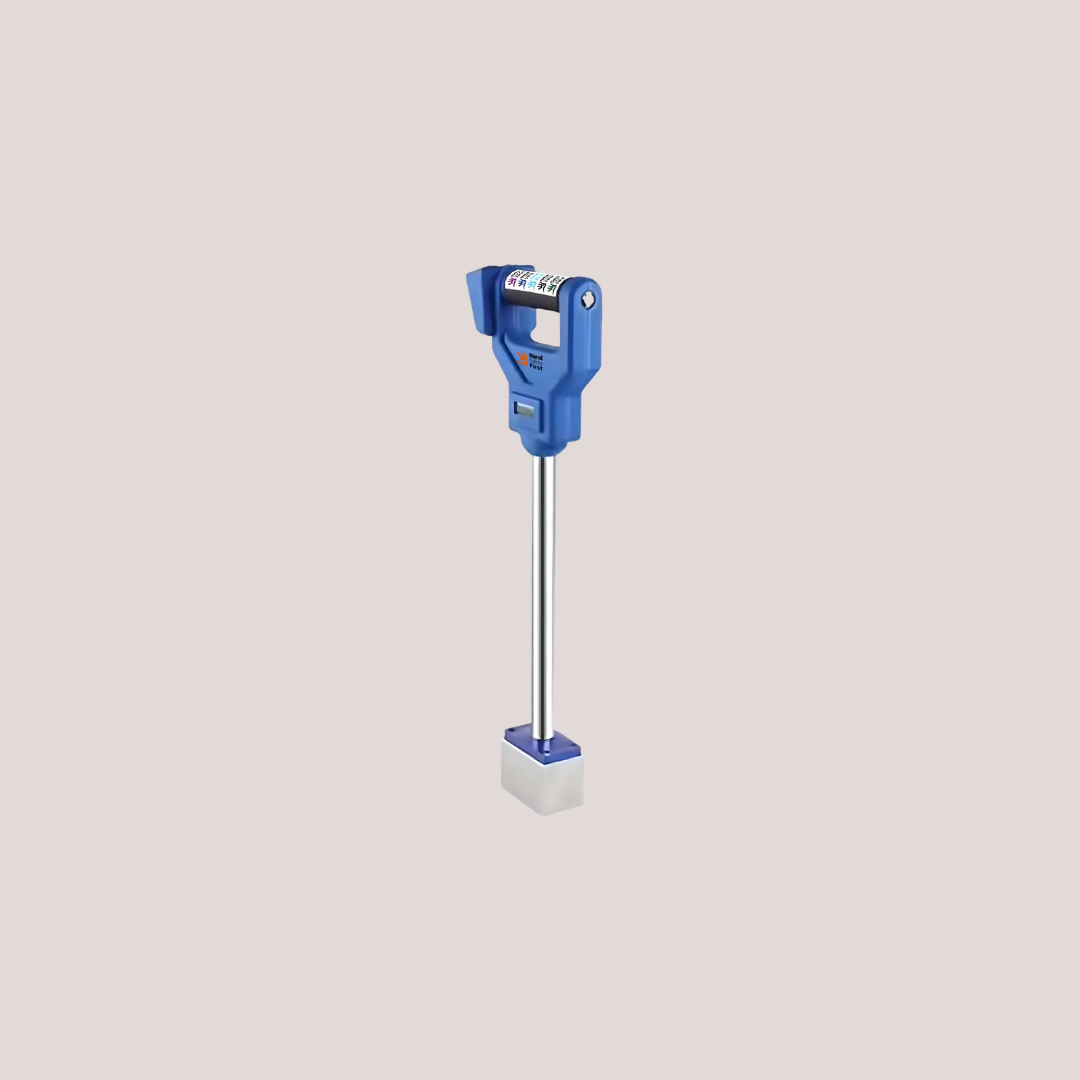
HSF Load Grab—Magnetic Load Control Tools
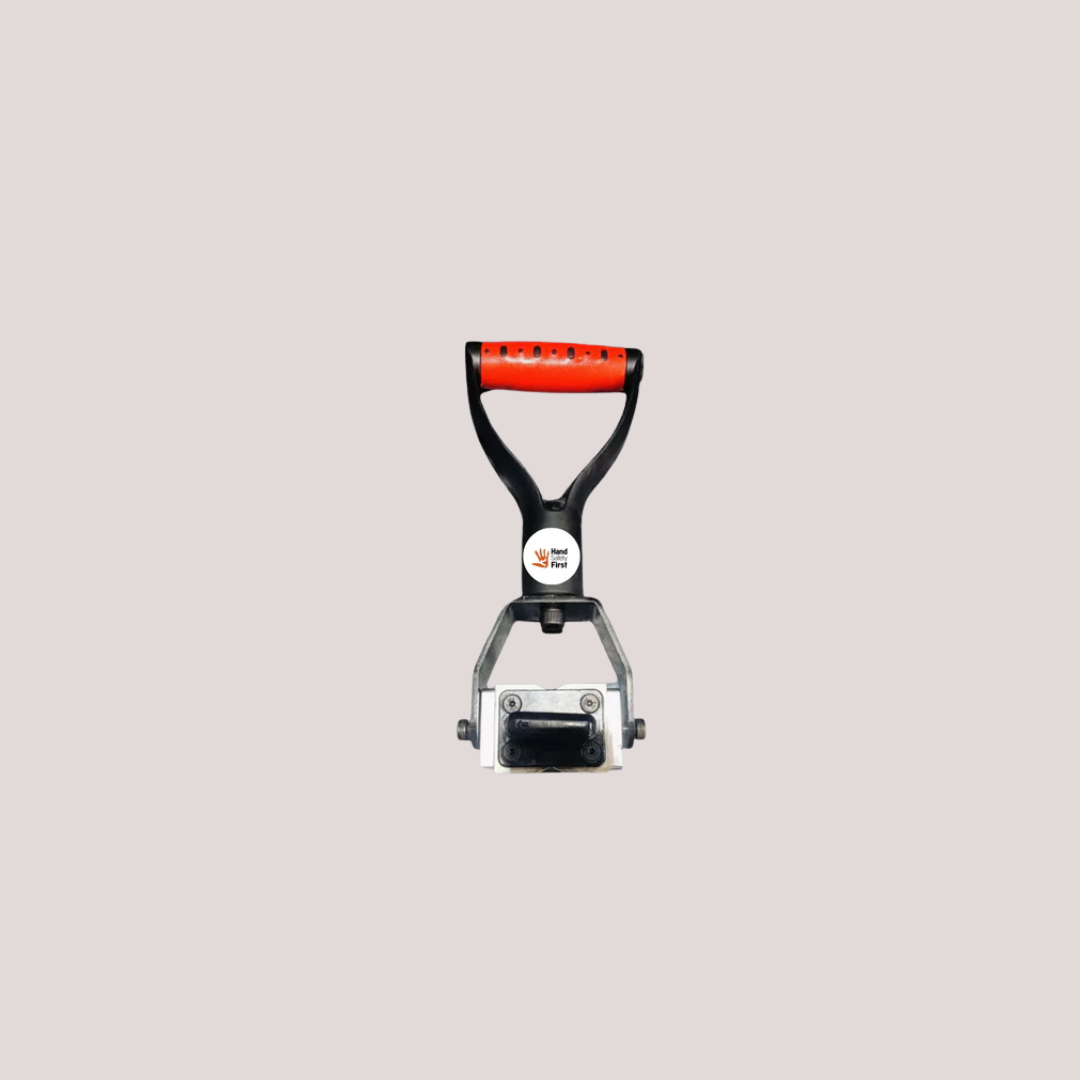
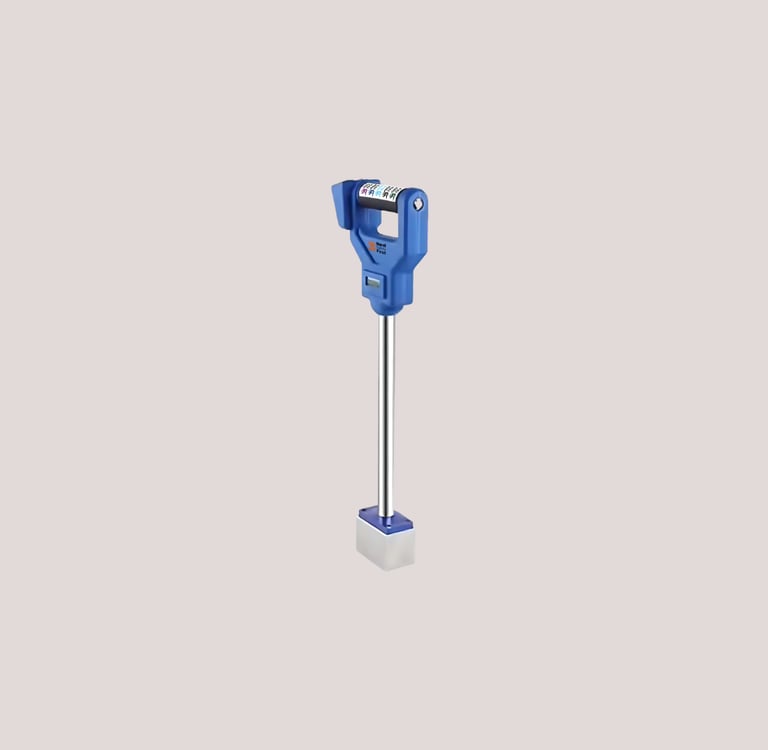
HSF Load Grab—Magnetic Push/Pull Load Control Tools
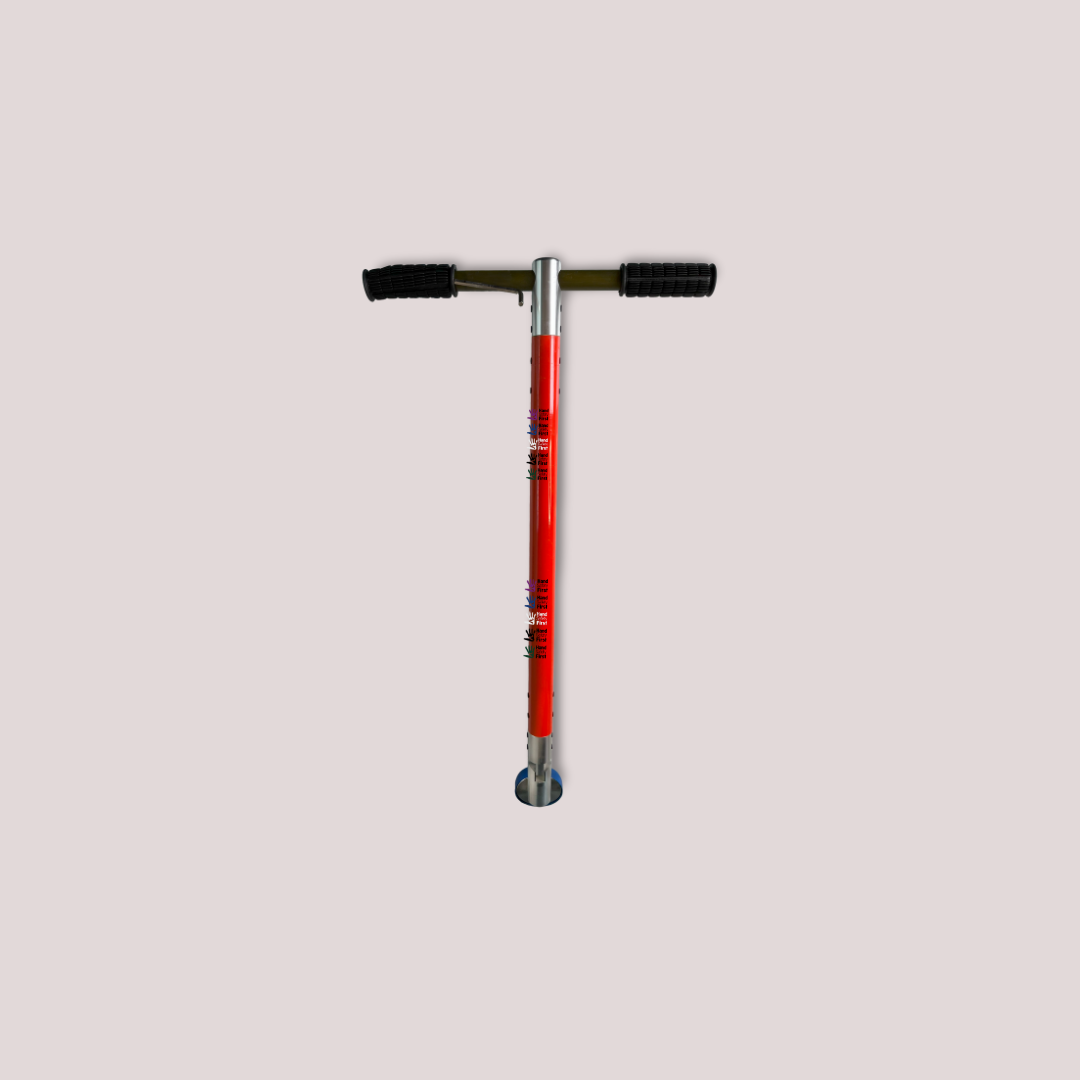
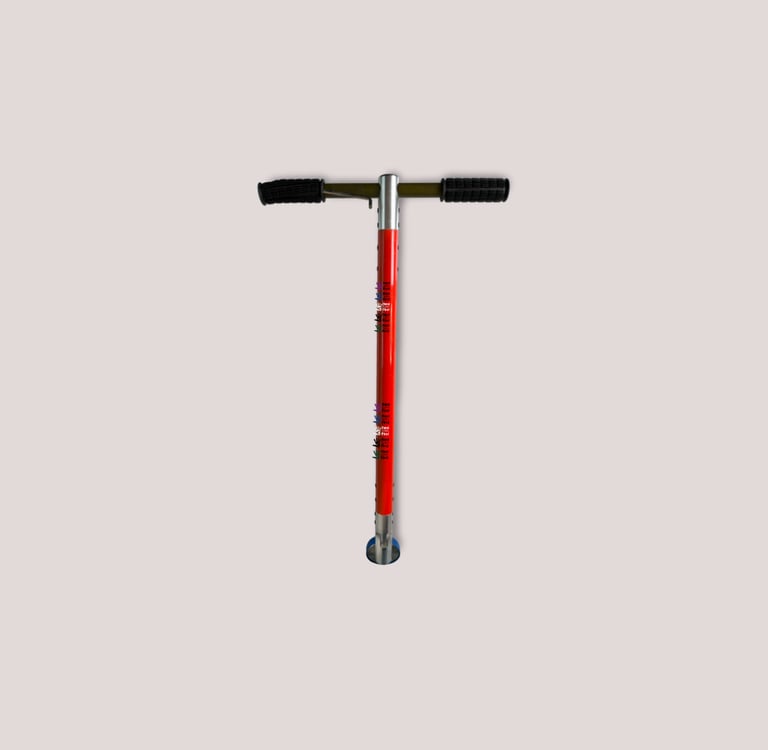
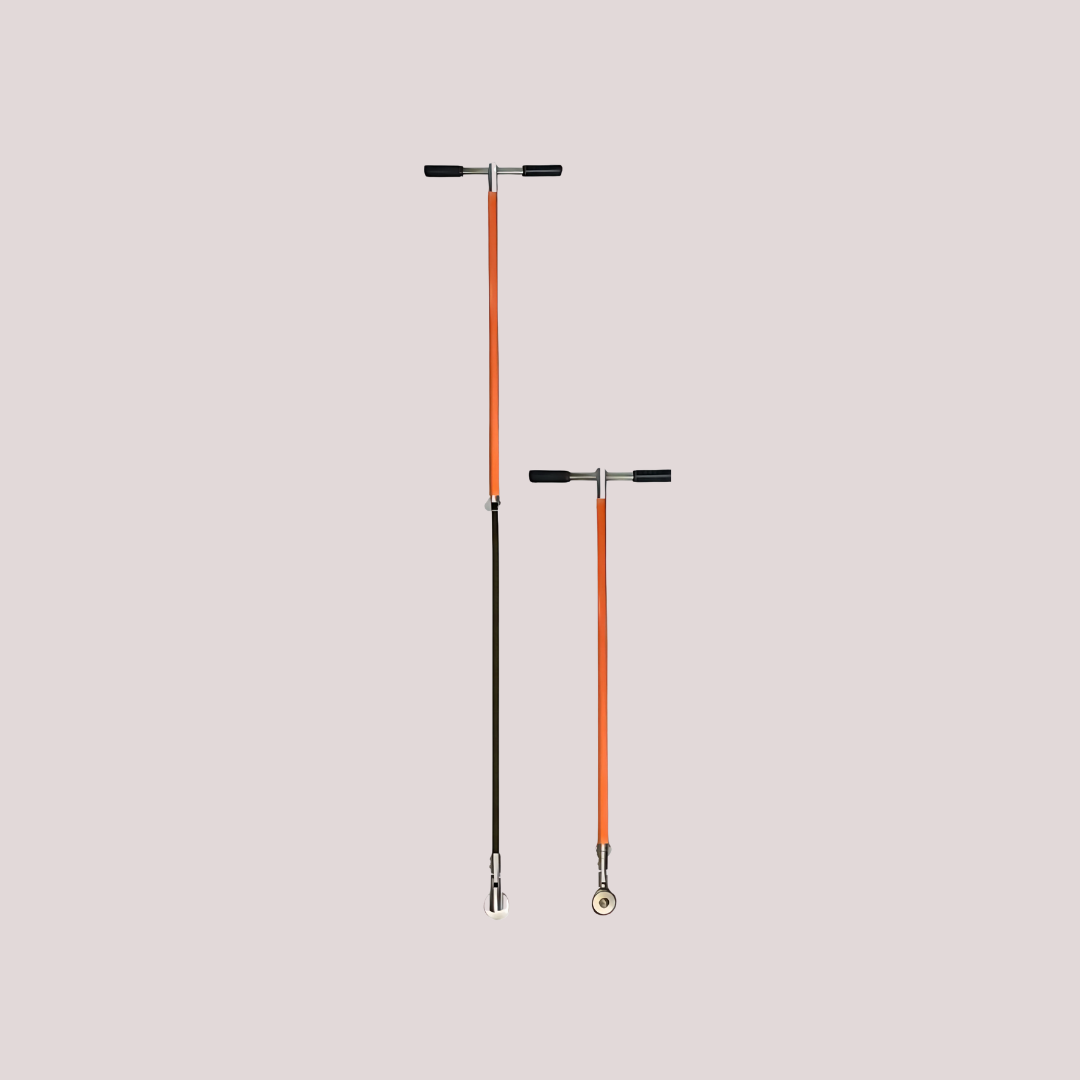
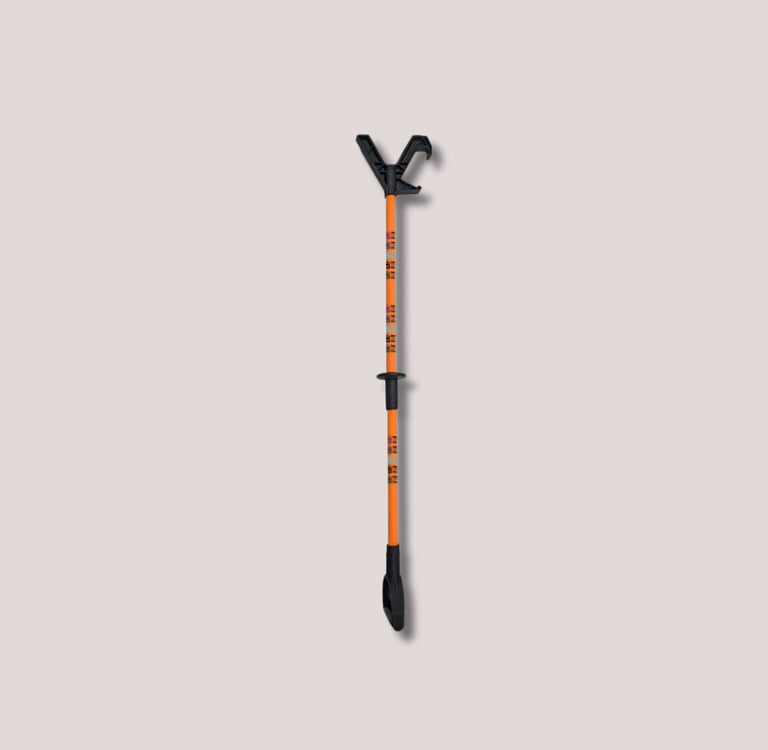
HSF Load Grab—Push/Pull Tool
HSF Load Grab—Hook-Based Tools
HSF Load Grab—Tagline Tools
HSF Loadgrab Magnetic Lifter IV (HSF-MG004)—
Load control tools
HSF Loadgrab Magnetic Lifter V (HSF-MG005)—
Load control tools
HSF LoadGrab MagHead Lifter (HSF-LG-001)—
Load control tools
HSF LoadGrab Electromagnet Lifter—
Load control tools
550 lbs (250 kg) lifting capacity
Manual engage/disengage lever control
Ergonomic D-handle grip
Powder-coated anti-corrosion finish
550 lbs switch-magnet mechanism
Quick activation control system
V-handle ergonomic grip
Improved precision switching
550 lbs magnetic pull force
3-function locking pin
360° rotation & 180° pivot
Lightweight aluminum body
50 kg lifting capacity
Rechargeable lithium battery
One-hand operation
Safe demagnetizing function
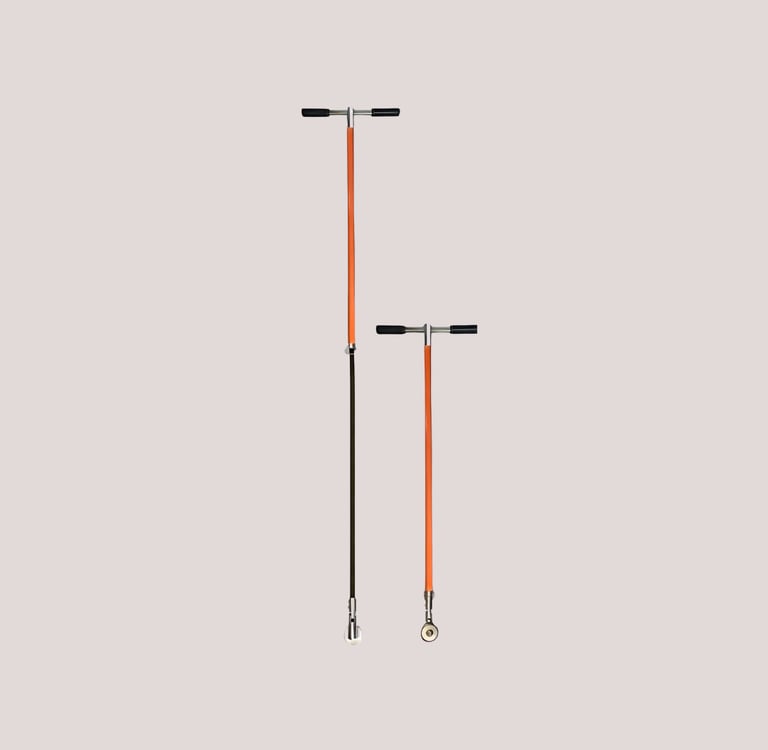
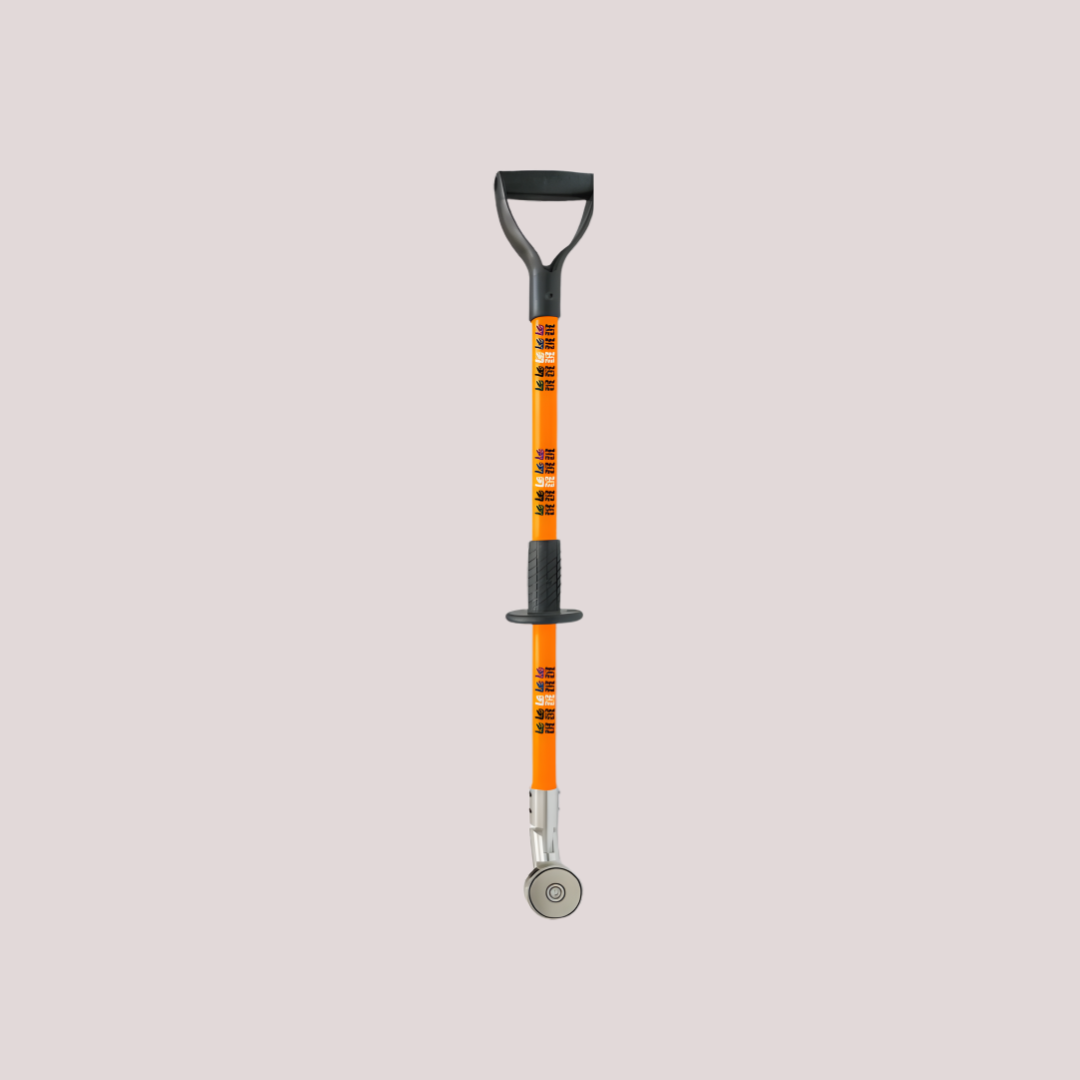
HSF Loadgrab— Magnetic Push/Pull Load Control Tools are designed for hands-free positioning and controlled movement of steel plates, beams, pipes, and suspended loads. Using high-strength magnetic grip technology, these tools allow operators to guide, align, and stabilize loads from a safe distance—reducing pinch, crush, and caught-between risks while improving placement precision in industrial lifting operations.
HSF Load Grab MagHead
T-Handle PushPull Tool-Load — Load control tools
HSF Load Grab
MagHead T-Handle Extendable—
Load control tools
HSF Load Grab
MagHead D-Handle Push/Pull Tool—
Load control tools
550 lbs magnetic ball head
Trigger-based quick release
Fixed & adjustable configurations
Extendable up to 90 inches
Quick-release magnetic ball head
Telescopic shaft system
36-inch extended reach
Over 500 lbs magnetic force
Fiberglass high-visibility handle
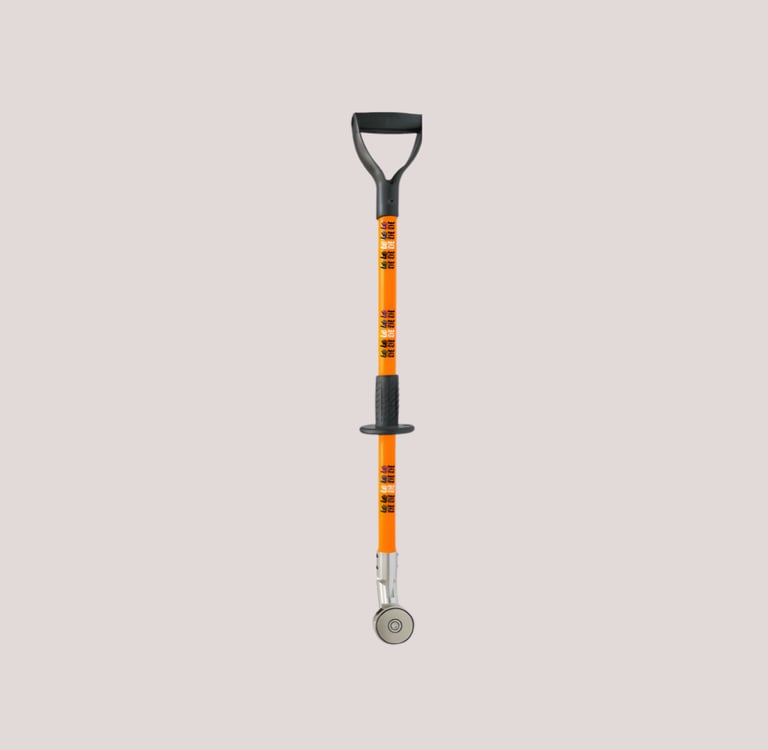
The HSF LoadGrab — Push/Pull load control Tool provides non-magnetic, hands-free load control for safe positioning and guiding of heavy materials. Available in multiple length options, it is engineered to prevent crush and pinch injuries while maintaining operator distance. Built with heavy-duty industrial-grade construction, it delivers reliable performance in demanding manufacturing, construction, and material handling environments.
Non-magnetic hands-free load positioning
Pinch and crush injury prevention design
Durable industrial-grade construction
Extended reach for safe load control
Designed for manufacturing & construction operations
Available Lengths: 42", 50", 72", 96"
HSF LoadGrab Push/Pull Tool—
Load control tools
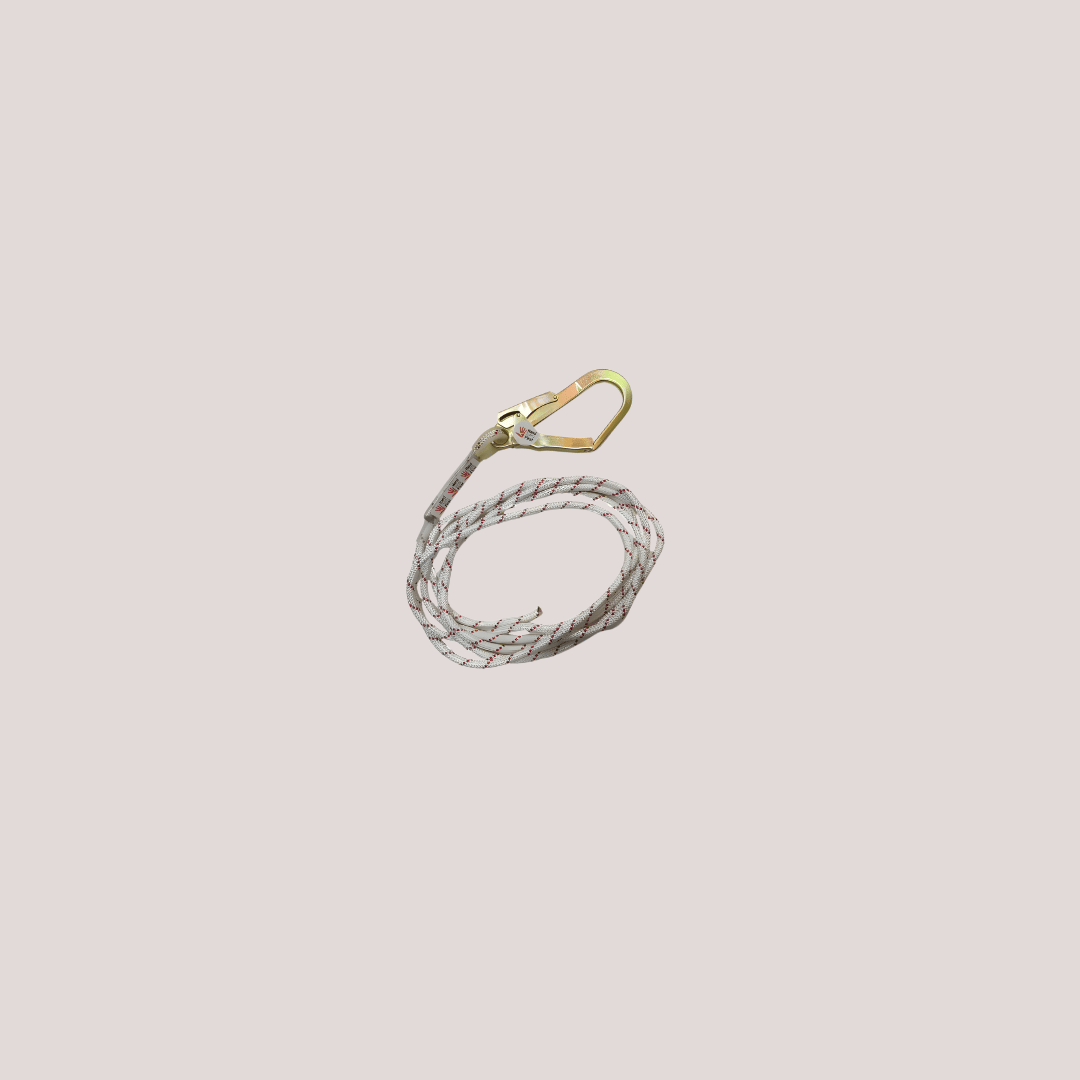
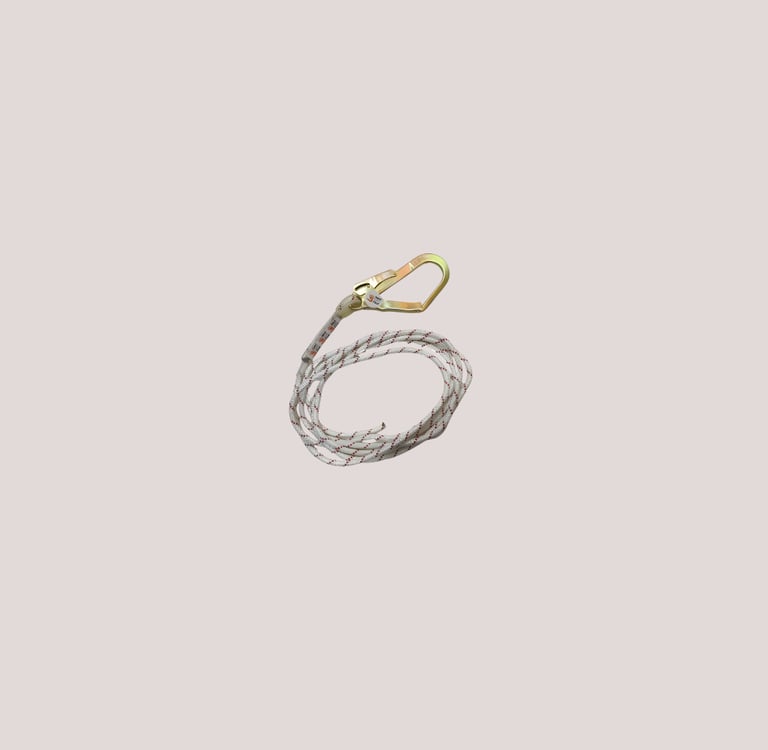
HSF Loadgrab Tagline — Load control tools are used to stabilize suspended loads during lifting and crane operations by controlling swing, rotation, and drift. They allow operators to guide and align loads from a safe distance, reducing entanglement risks, improving positioning accuracy, and enhancing overall lifting safety in industrial environments.
HSF LoadGrab Rigger TagLine—
Load control tools
HSF LoadGrab No Swing Tagline— Load control tools
Prevents spinning & rotation
Precision load alignment
Industrial-grade rope system
Tangle-resistant coating
Rigid anti-wrap design
Oil & liquid resistant grip
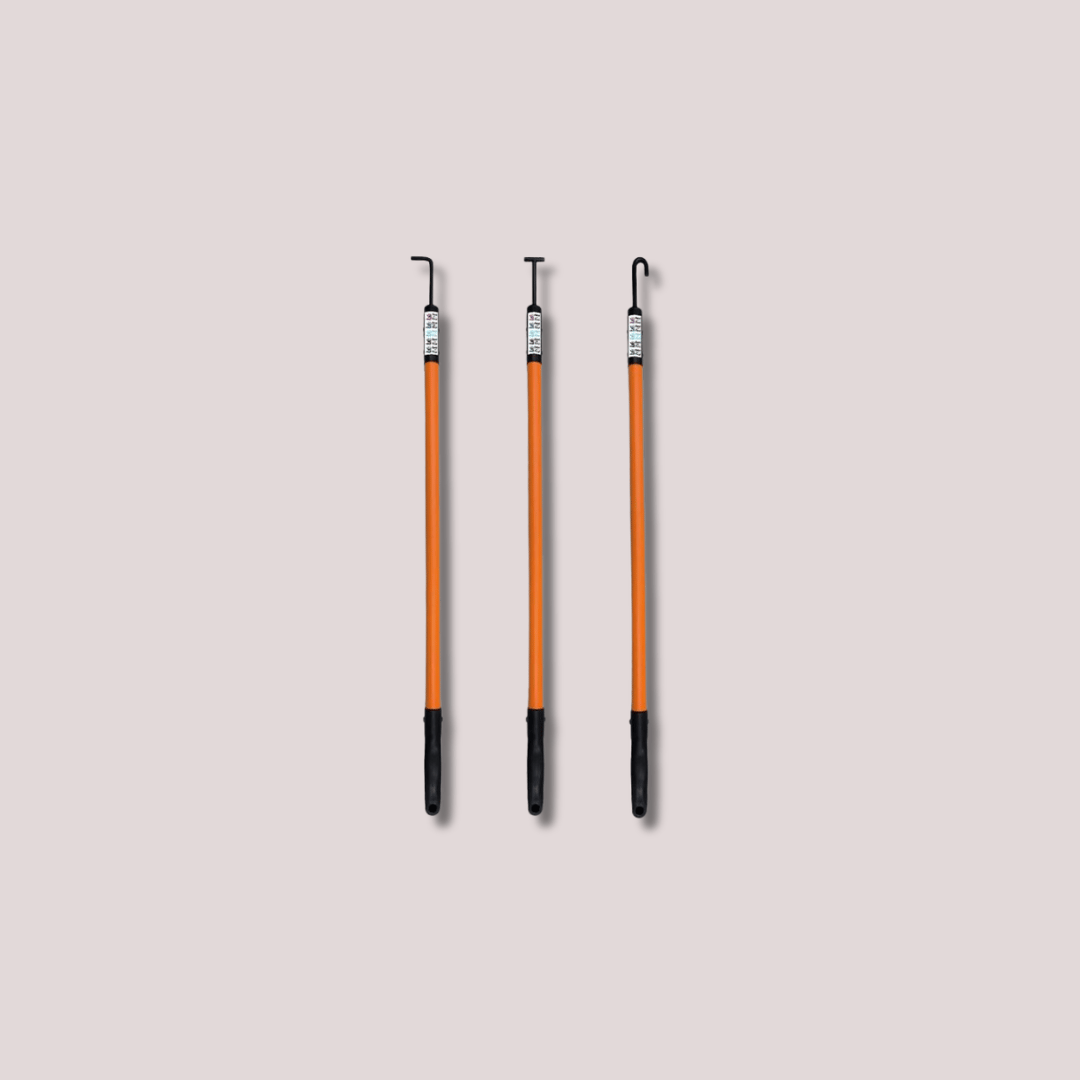
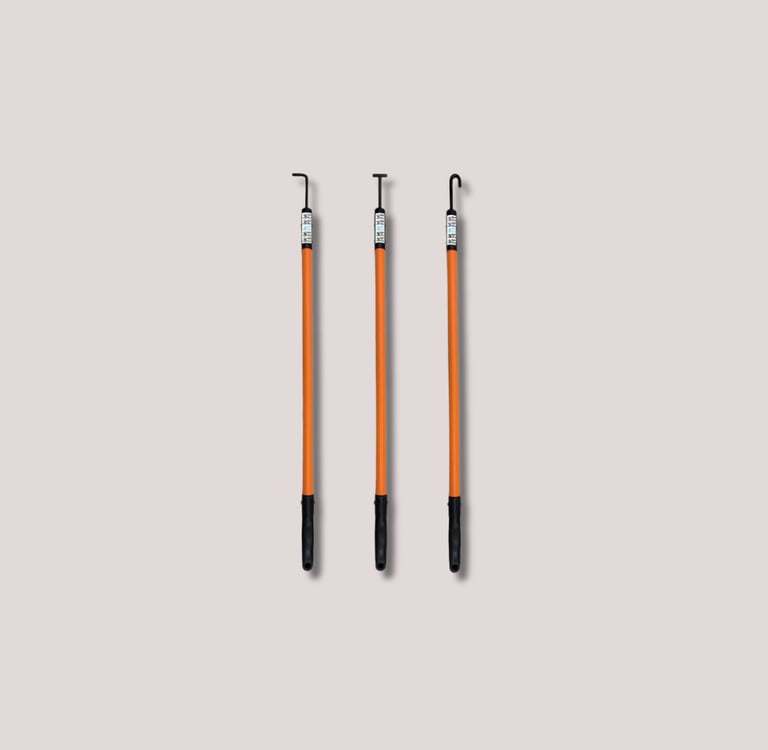
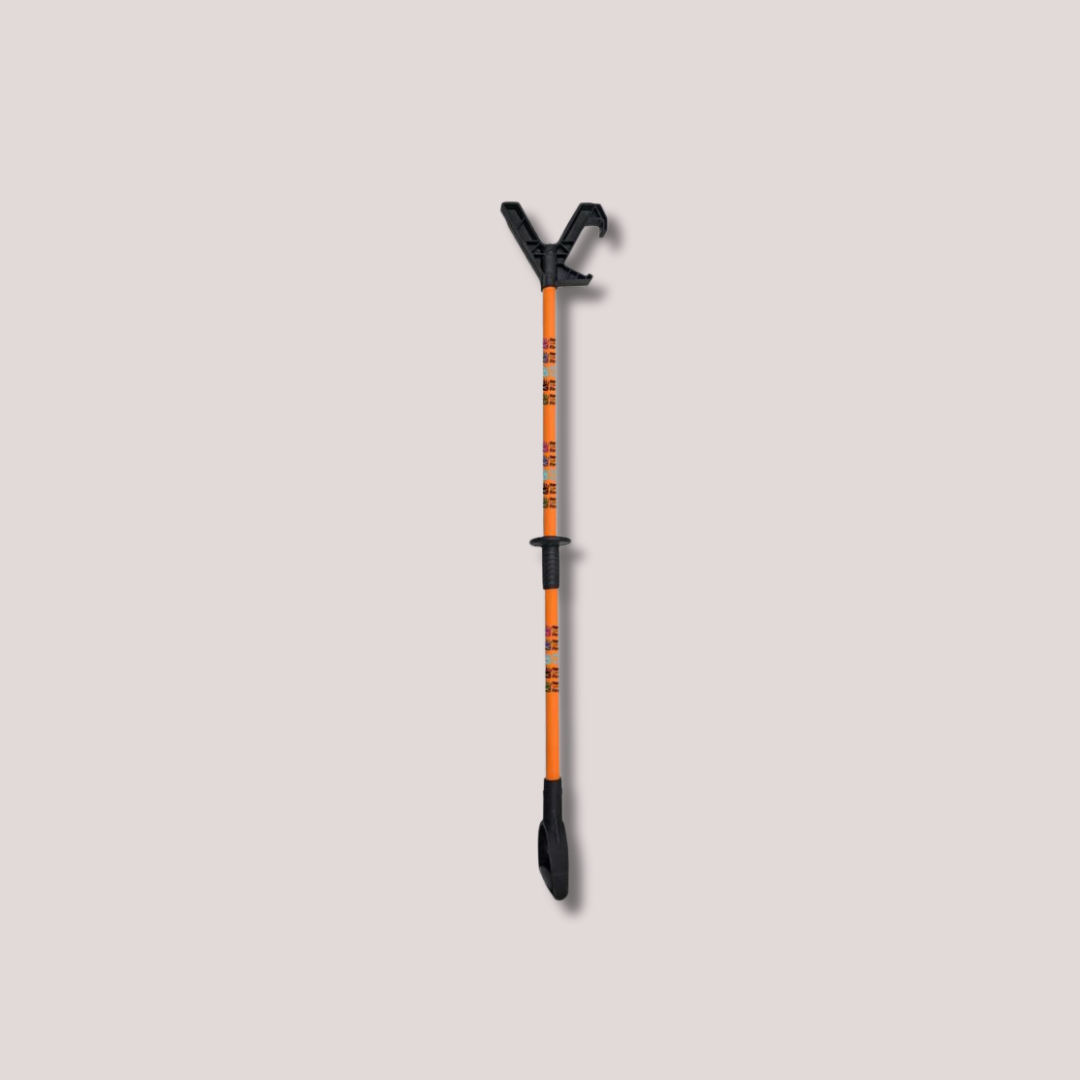
HSF LoadGrab Hook Series (J / T / L)— Load control tools
48-inch reach
Swivel hook option
Lightweight & durable
High-visibility finish
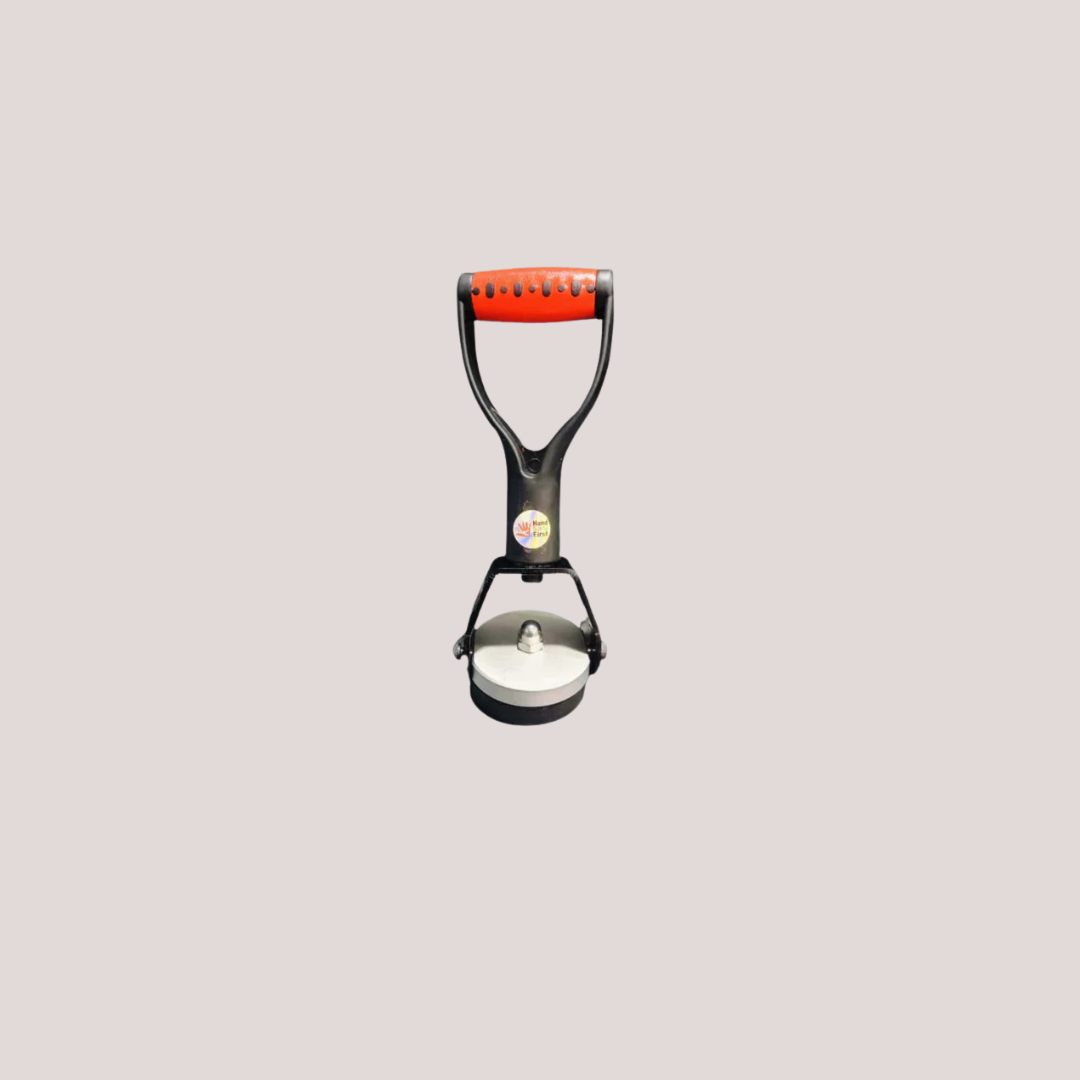
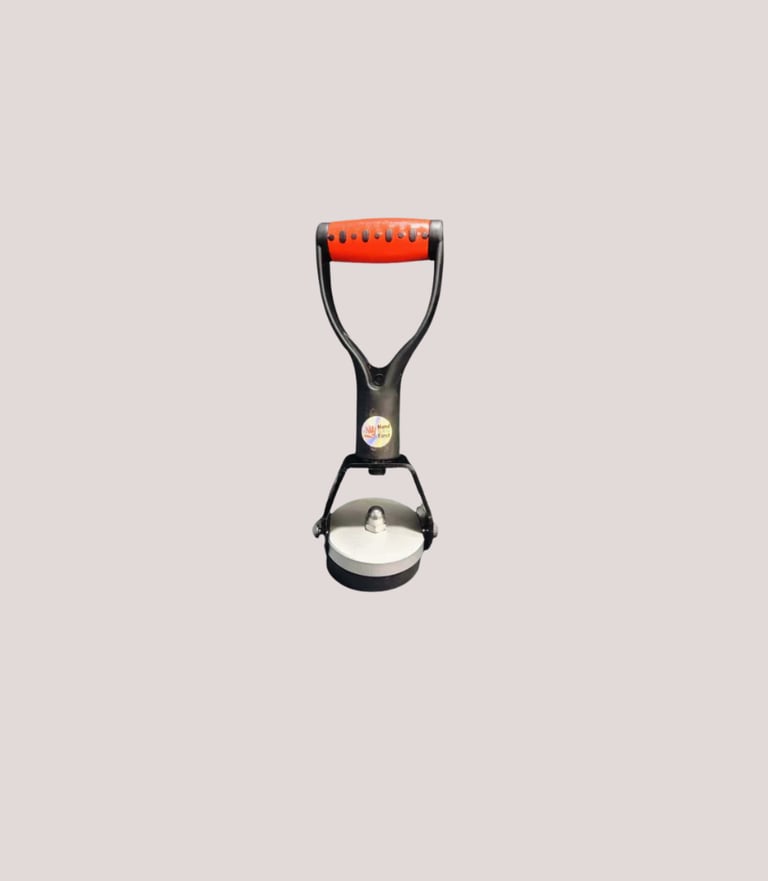
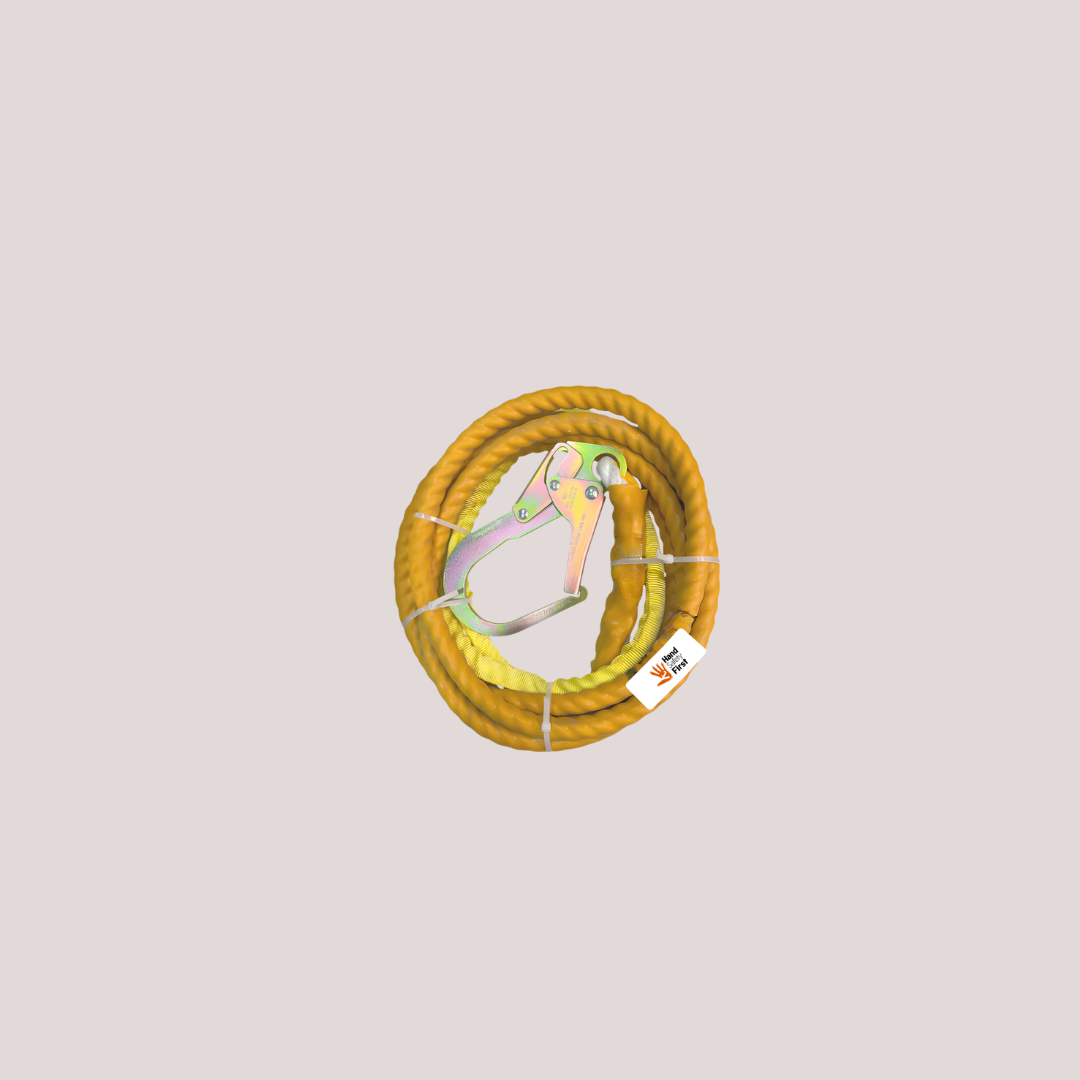
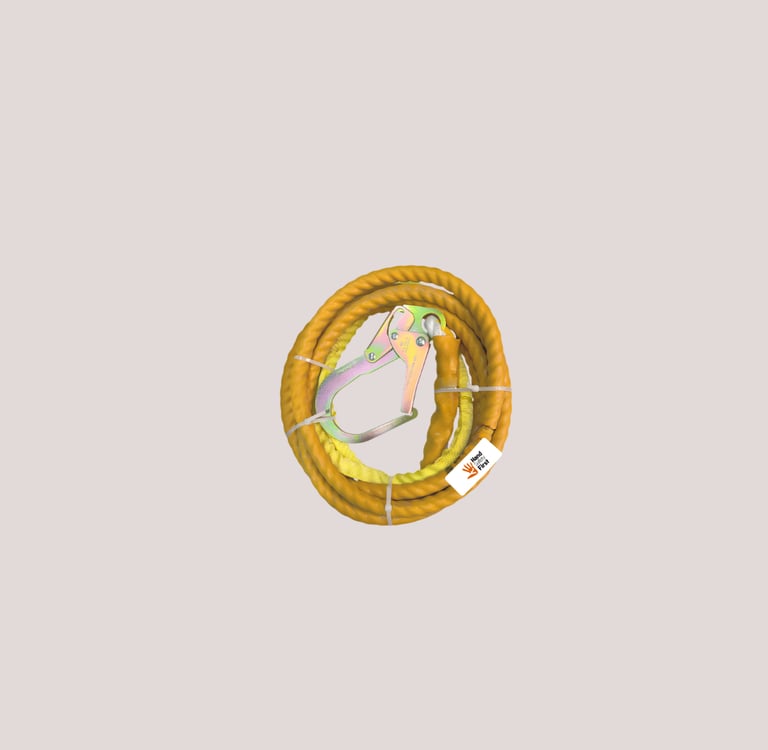
HSF Load Grab— Magnetic Load Control Tools deliver hands-free load stabilization using high-pull magnetic and mechanical systems (up to 550 lbs on select models). Designed with ergonomic handles and extended reach up to 90 inches, they reduce swing, rotation, and direct contact risks. Built for heavy-duty industrial use with corrosion-resistant, high-visibility construction, they support Zero Hand Injury programs.
Industry Applications & Use Cases
HSF Load Grab— Load Control Tools are used across high-risk industrial environments where suspended loads must be guided, stabilized, and positioned without direct hand contact. These tools are designed to perform reliably in demanding conditions involving heavy, irregular, or moving loads.
Steel & Metal Fabrication | Construction | Power Generation | Mining | Manufacturing | Shipyards | Logistics | Heavy Engineering
By enabling hands-free control and maintaining safe operator distance, HSF Load Grab™ — Load control tools improve positioning accuracy while supporting safer lifting practices across diverse industrial operations.
Safety & Compliance / Zero Hand Injury
Industrial hand injuries are most often caused by direct contact with moving or suspended loads. HSF Load Grab™ — Load control tools are engineered to eliminate this risk by keeping operators at a safe distance while maintaining full control over load movement.
By reducing exposure to pinch points, crush zones, and caught-between hazards, these tools support Zero Hand Injury programs and align with modern industrial safety standards. Their hands-free design helps organizations strengthen compliance, improve site safety culture, and reduce injury-related downtime.
Why HSF Load Grab™— Load control tools
HSF Load Grab™— Load control tools is purpose-built for real-world industrial load control challenges—not adapted from general lifting tools. Every product is engineered to address the critical safety gap between lifting a load and safely controlling its movement.
With a complete range of magnetic, mechanical, tagline, and hook-based load control tools, HSF Load Grab— Load control tools delivers consistent performance across diverse industries and operating conditions. The result is safer operations, improved positioning accuracy, and reliable hands-free load control where it matters most.
Get in Touch
Upgrade your lifting operations with engineered load control tools designed for safety, precision, and control.
📞 Phone: +917386110618
✉️ Email: info@handsafetyfirst.com
🌐 Website: handsafetyfirst.com
Announcement: PSC Hand Safety India Pvt Limited has entered into a definitive agreement to acquire the brand Hand Safety First effective on Oct 31, 2025
Contact
Reach out with any questions or feedback.


Phone: +917386110618
Email: info@handsafetyfirst.com
Website: hsfloadgrab.com